Gather
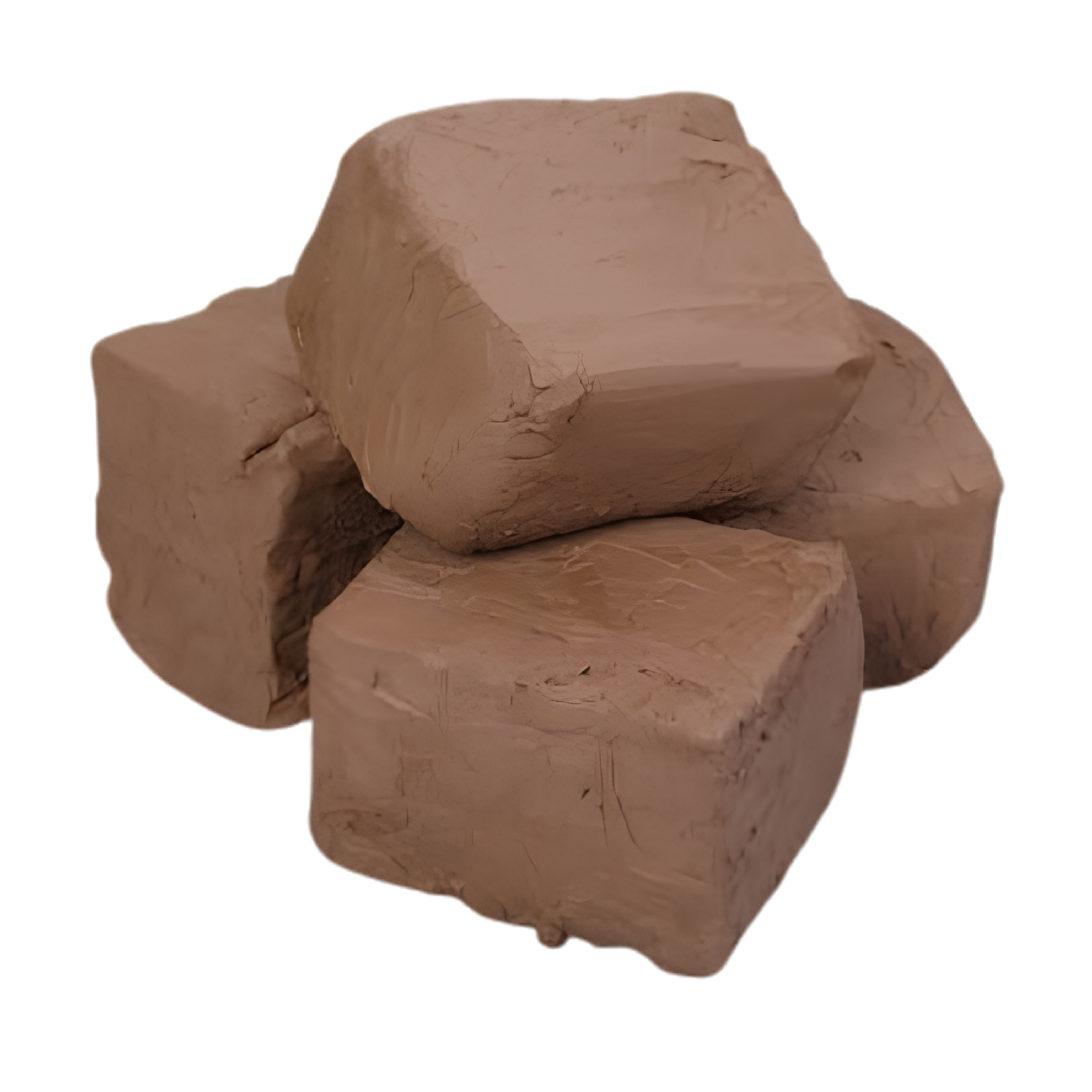
Dense clay is carried from the surrounding region, then patiently cleaned of every stone and grain.
Nghe An, Vietnam
In Tru Son, a humble clay pot carries more than a meal. It carries a village, a memory, and a fire kept alive for generations.
Born from necessity
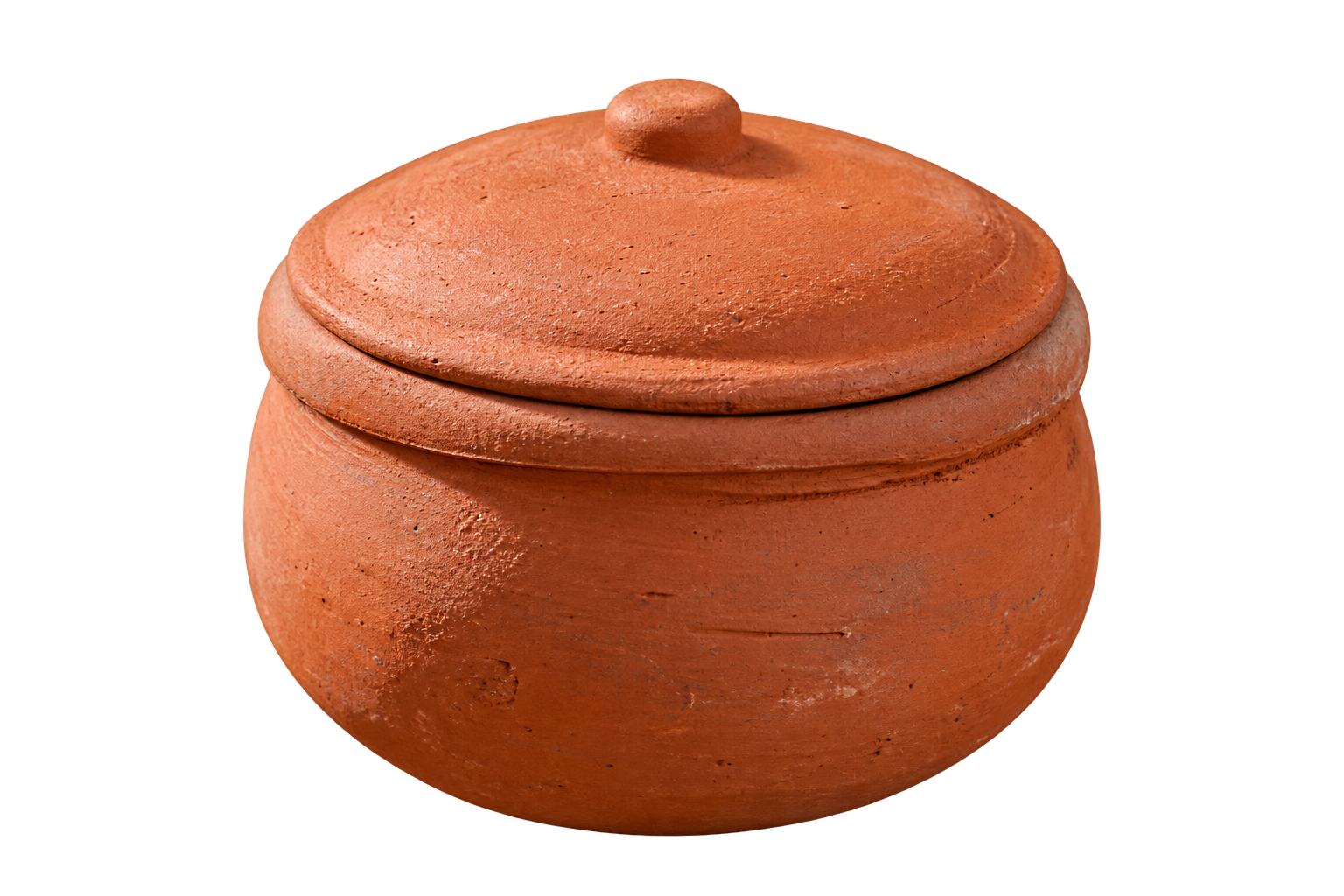
For more than a century, families in Trù Sơn have transformed local clay into vessels for rice, fish, herbs and everyday life.
The land here was never generous. Farming alone could not sustain a family, so the villagers turned to the earth beneath their feet. What began as a way to endure became the identity of a place.
“Selling bone to feed flesh”
— an old village saying for the labor behind every pot
The making
All stages are done entirely by hand, requiring a high degree of skill, patience, and meticulousness.
Material stateRAW EARTH
Dense clay is carried from the surrounding region, then patiently cleaned of every stone and grain.
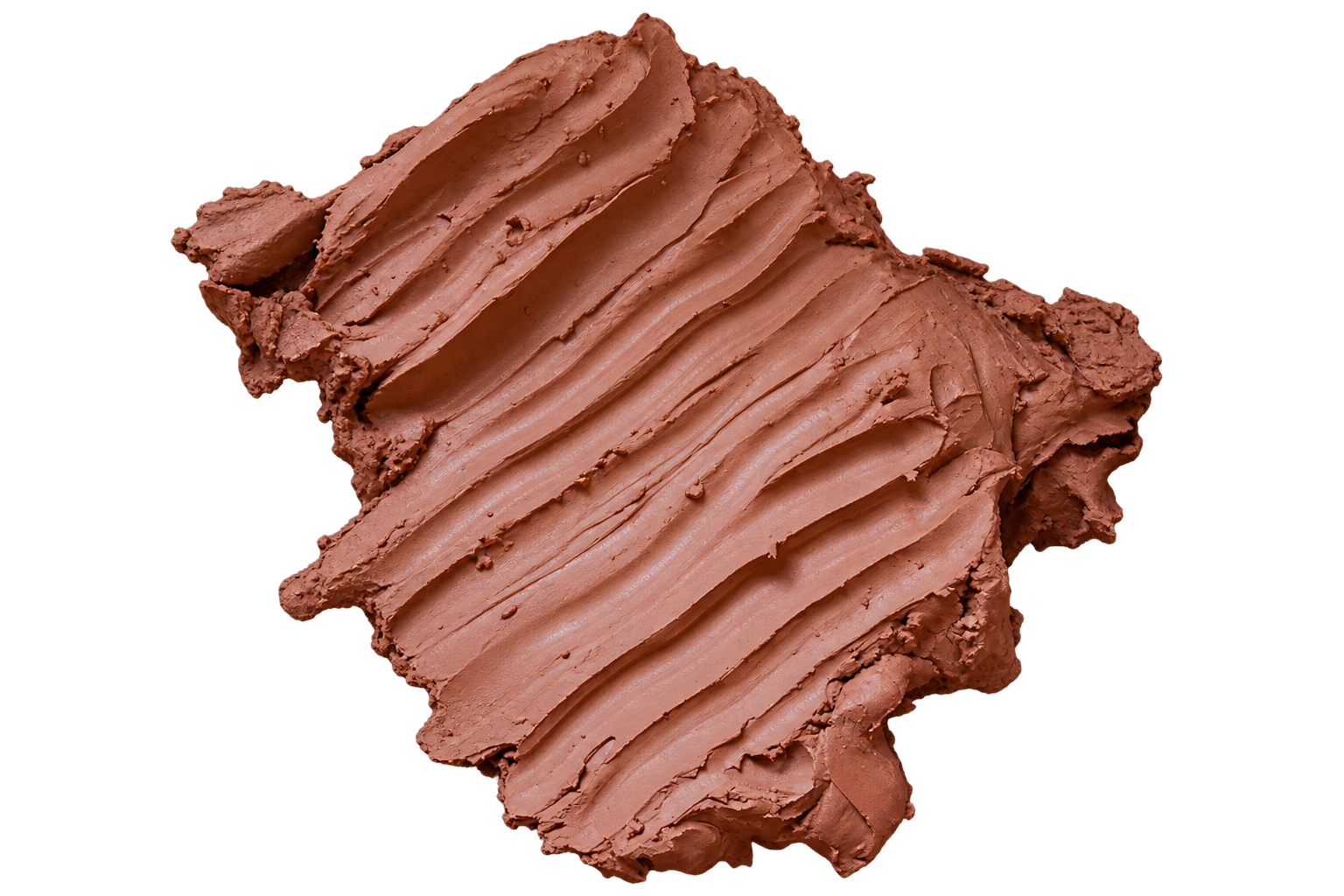
Feet and hands work water through the earth until its texture becomes smooth, strong and ready.
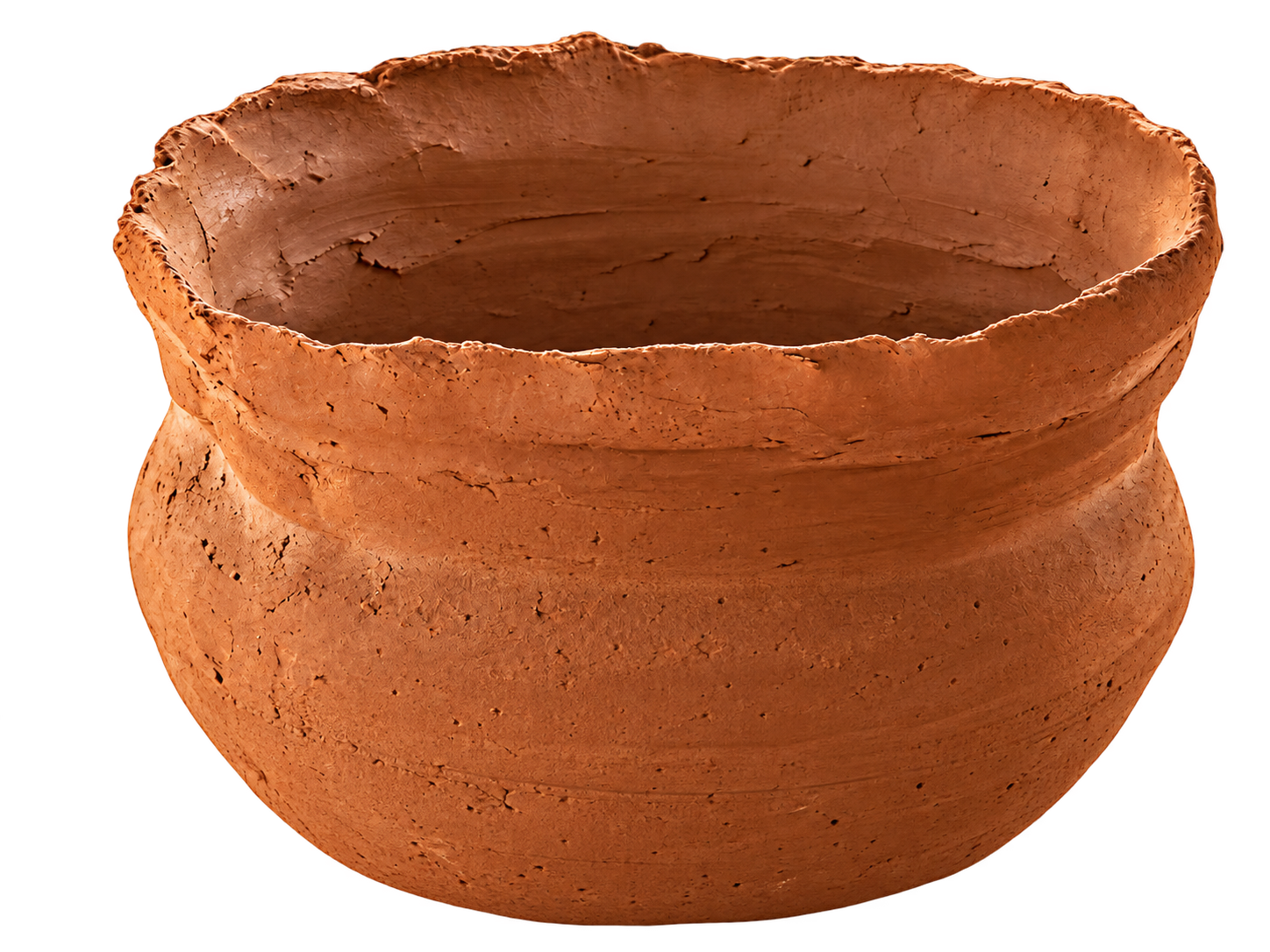
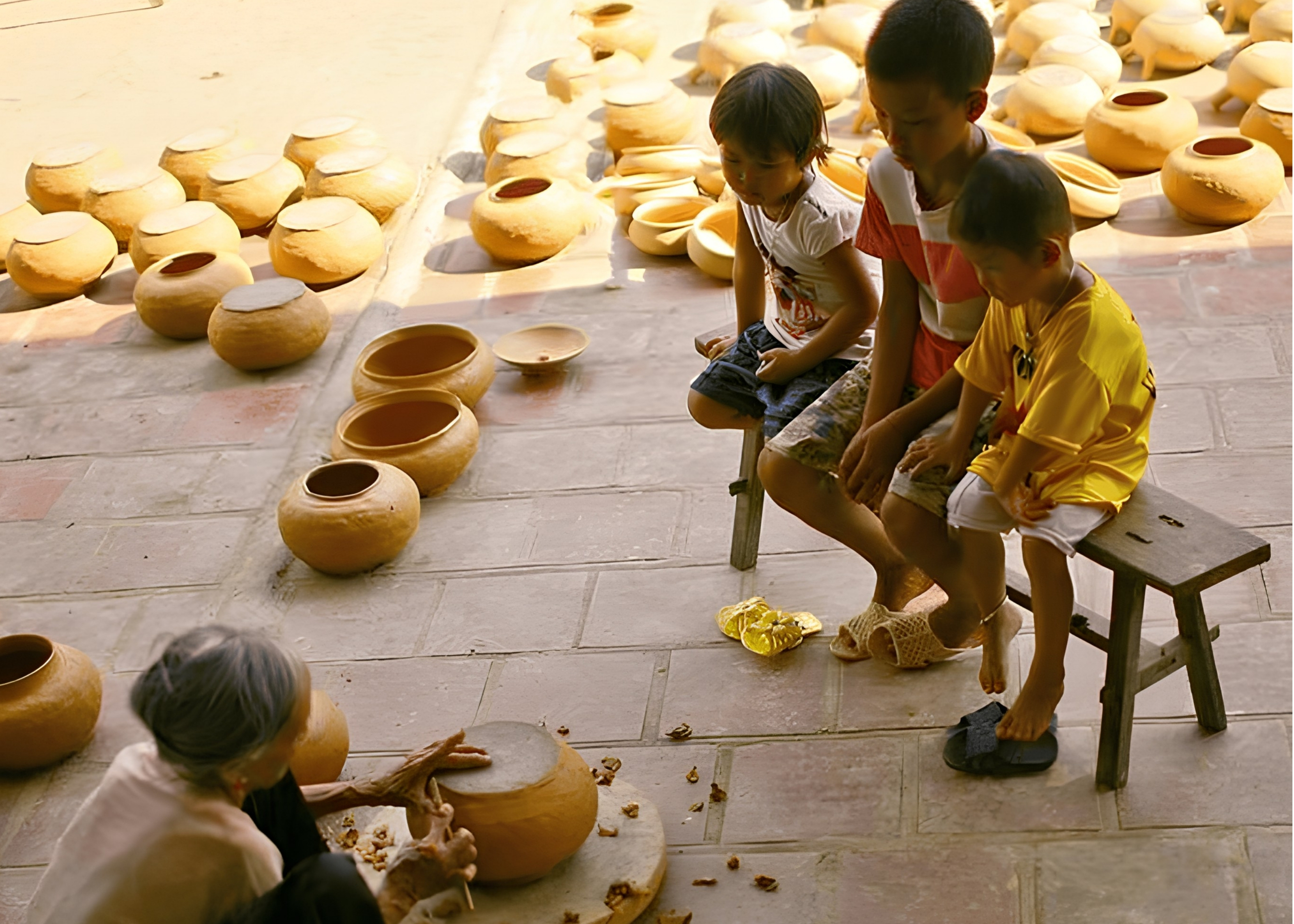
Craftsman guide the turning clay by touch, building an even wall without a mould or measuring tool.
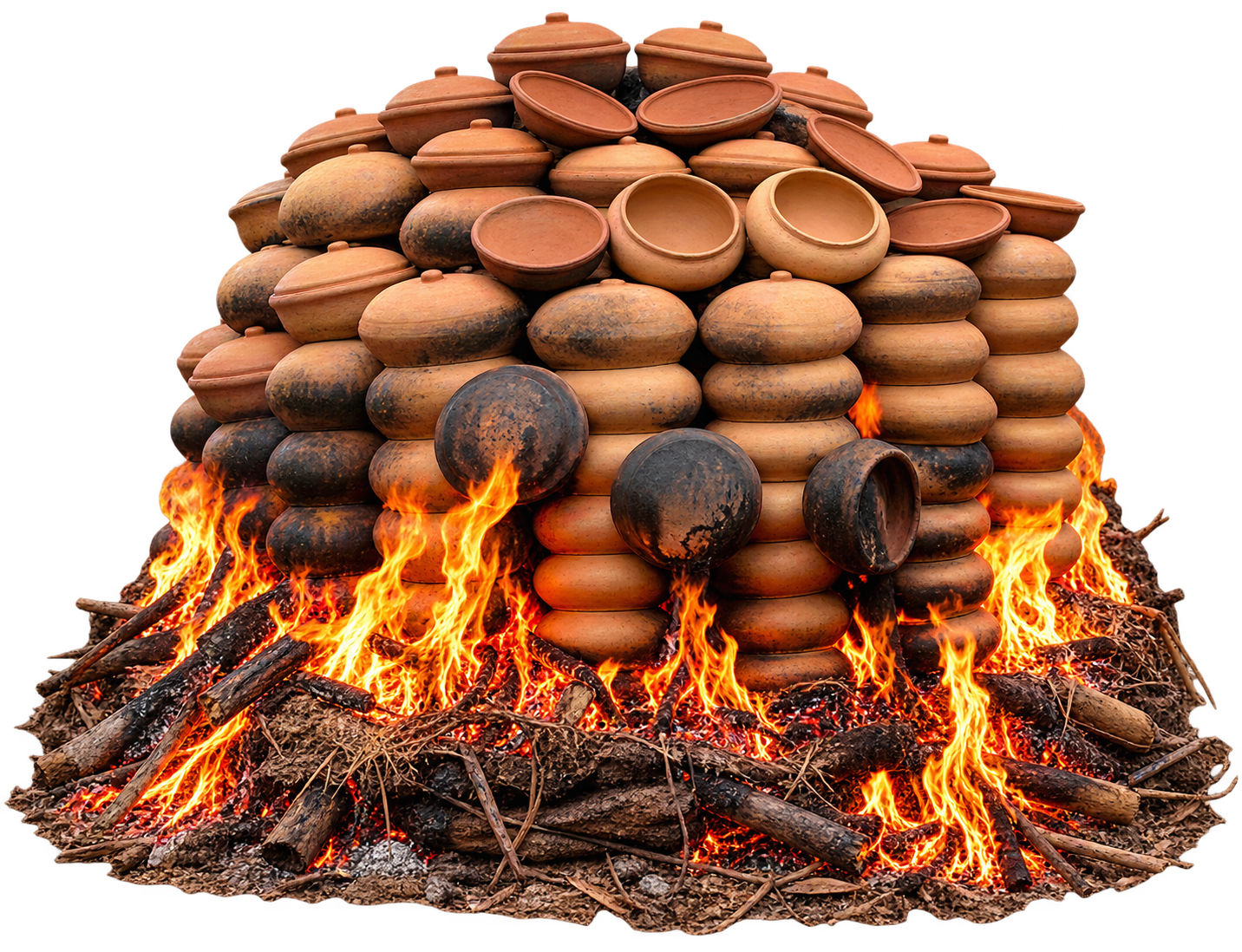
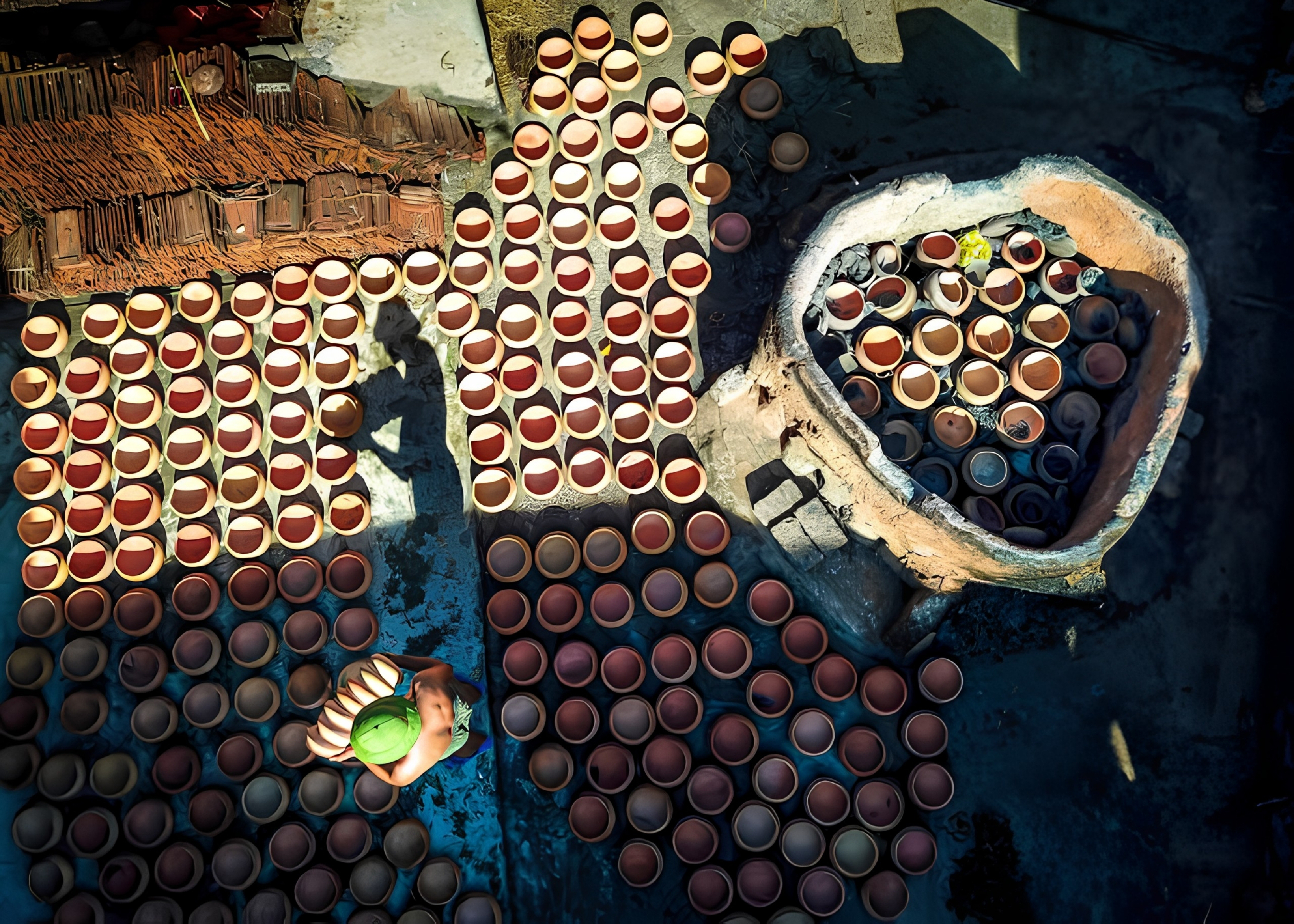
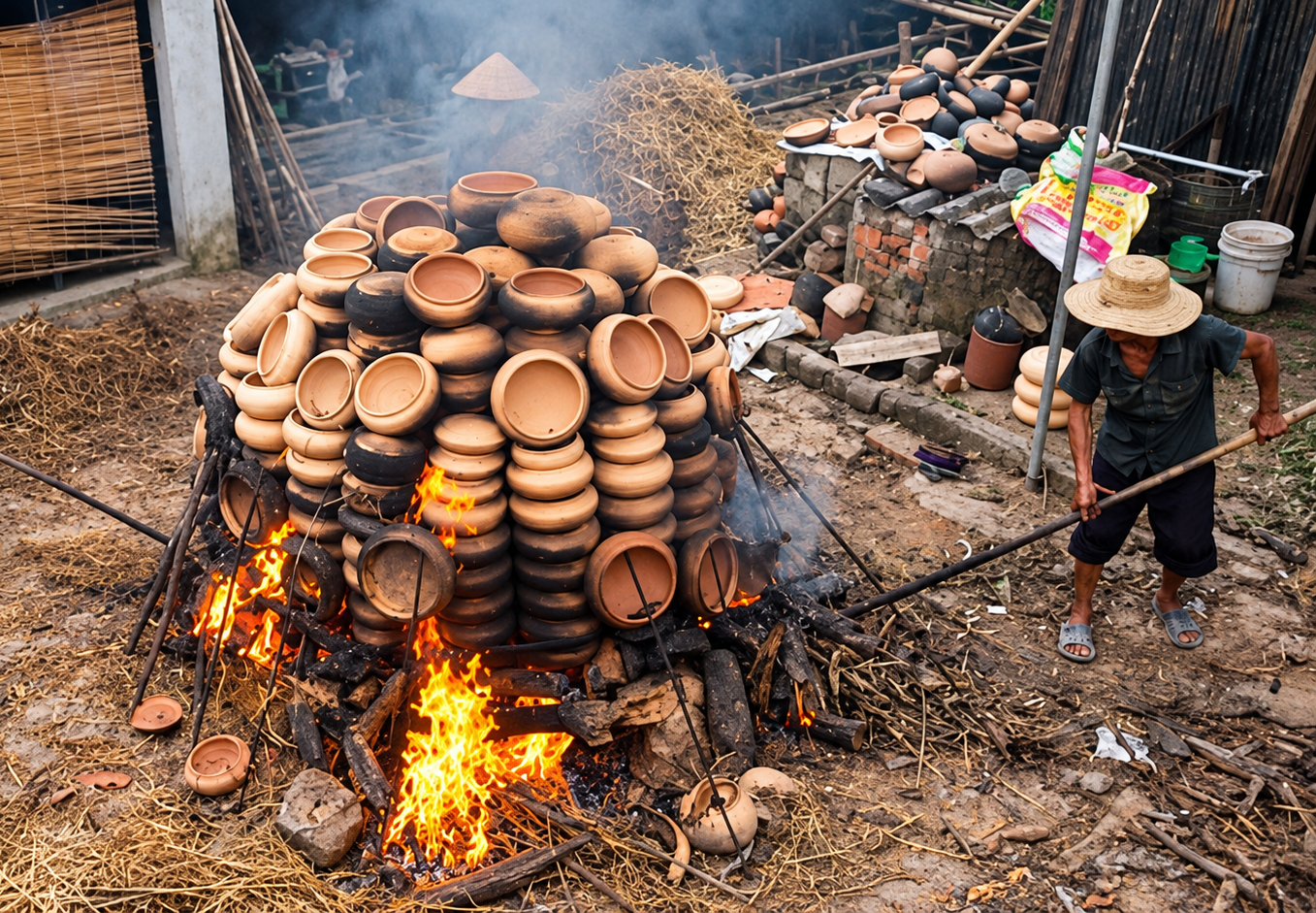
Up to 300 vessels are fired with straw and wood for four to five hours, turned again and again.
Read more
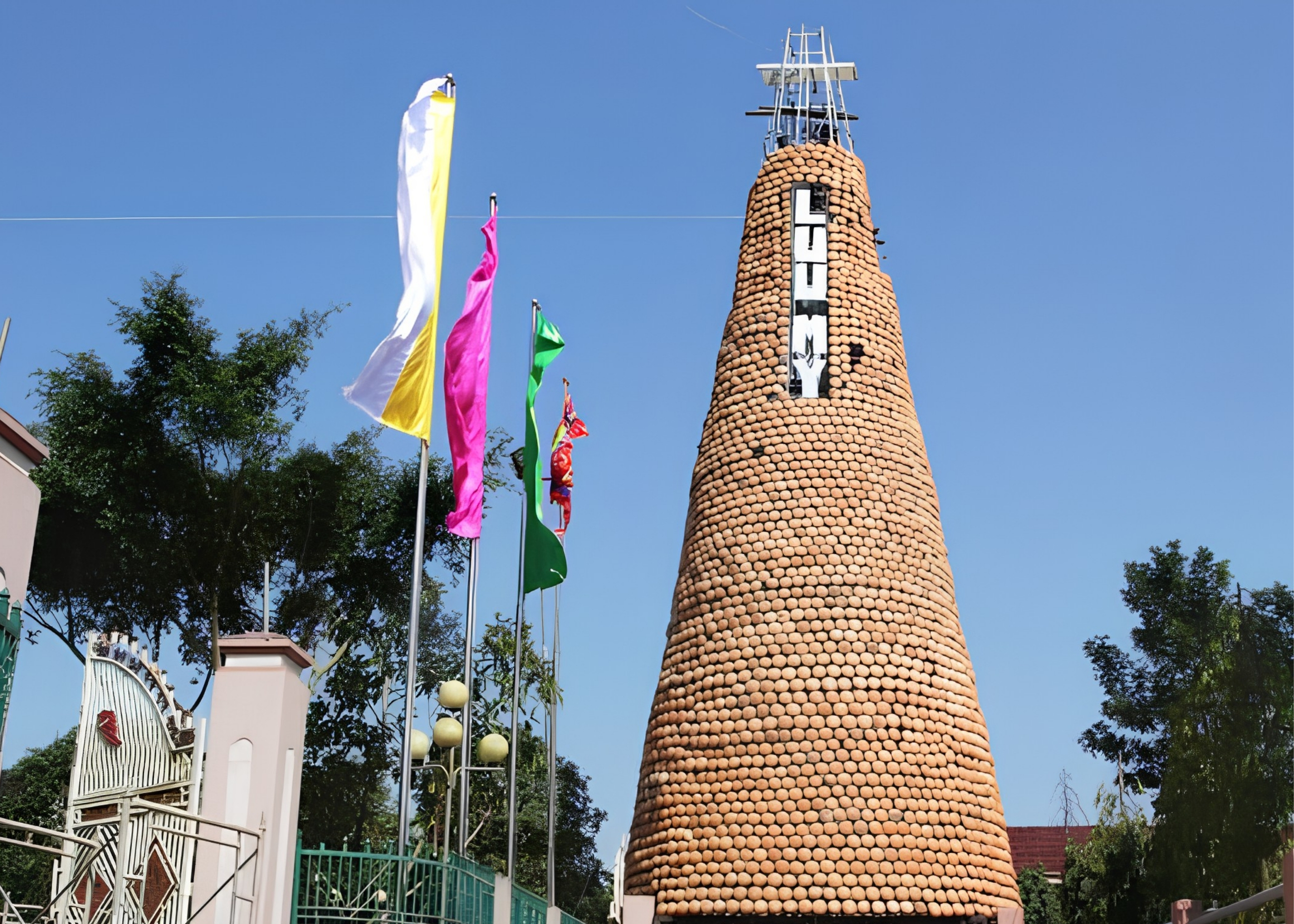
A lyrical look at the village’s backward-walking shaping technique, the knowledge held by its women and the urgent work of preservation.
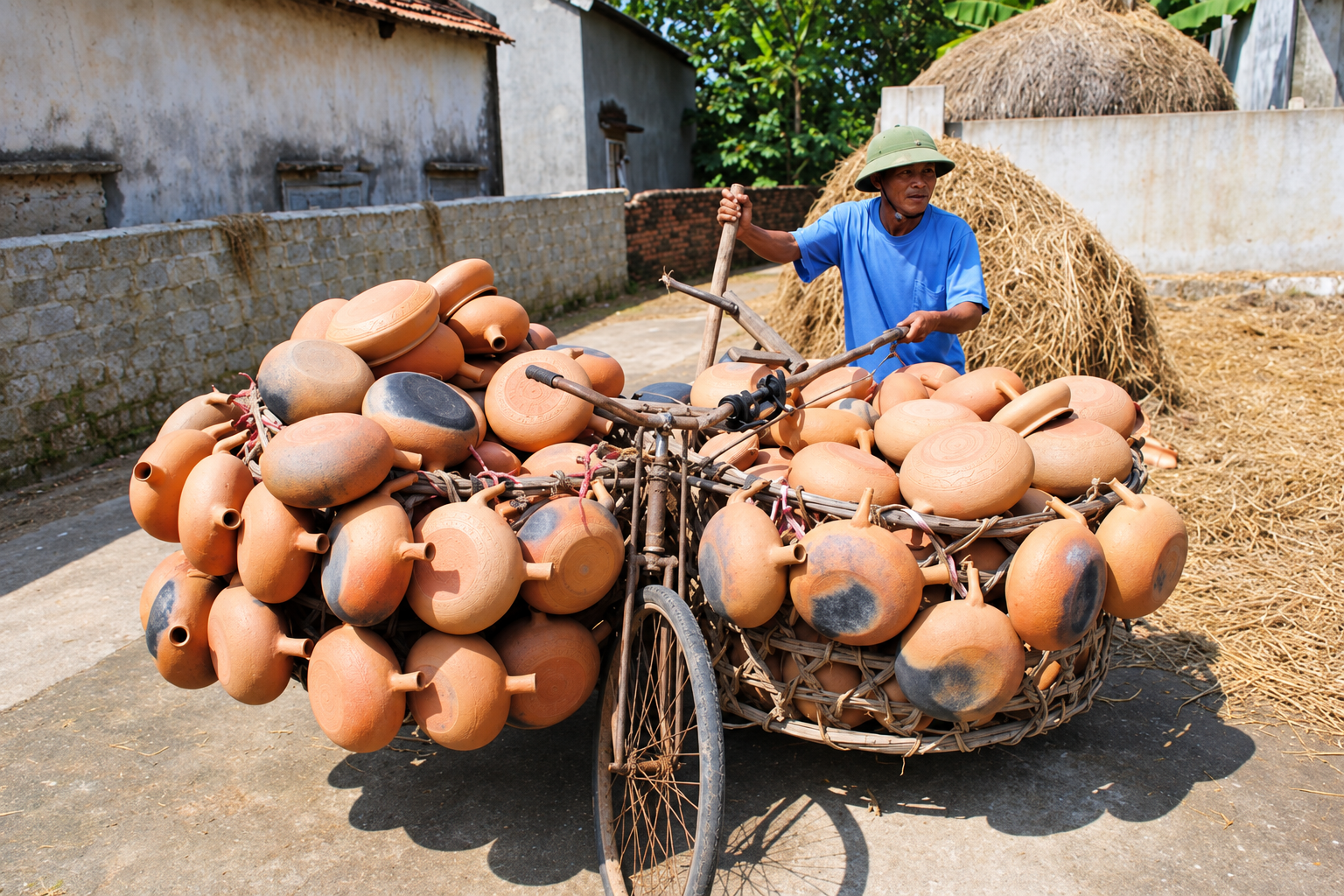
Story and photographs tracing how Tru Son’s durable pots move from sunny village courtyards into kitchens across Vietnam.
A concise picture feature documenting the simple tools, handmade process and open firing of hundreds of vessels at once.
The fire needs tending